
Help your child speak Punjabi with confidence, not just understand it.
A 12-week live group course for kids, taught by real instructors in small cohorts, so your child can actually talk to grandparents, not just recognise a few words.
Takes 30 seconds. No payment, no commitment, just tell us about your child.
Live group lessons, built for kids
Small cohorts mean your child gets real speaking time every session, not a passive video they watch alone. They'll learn alongside other kids their age, at their level, with a real instructor watching and correcting gently.
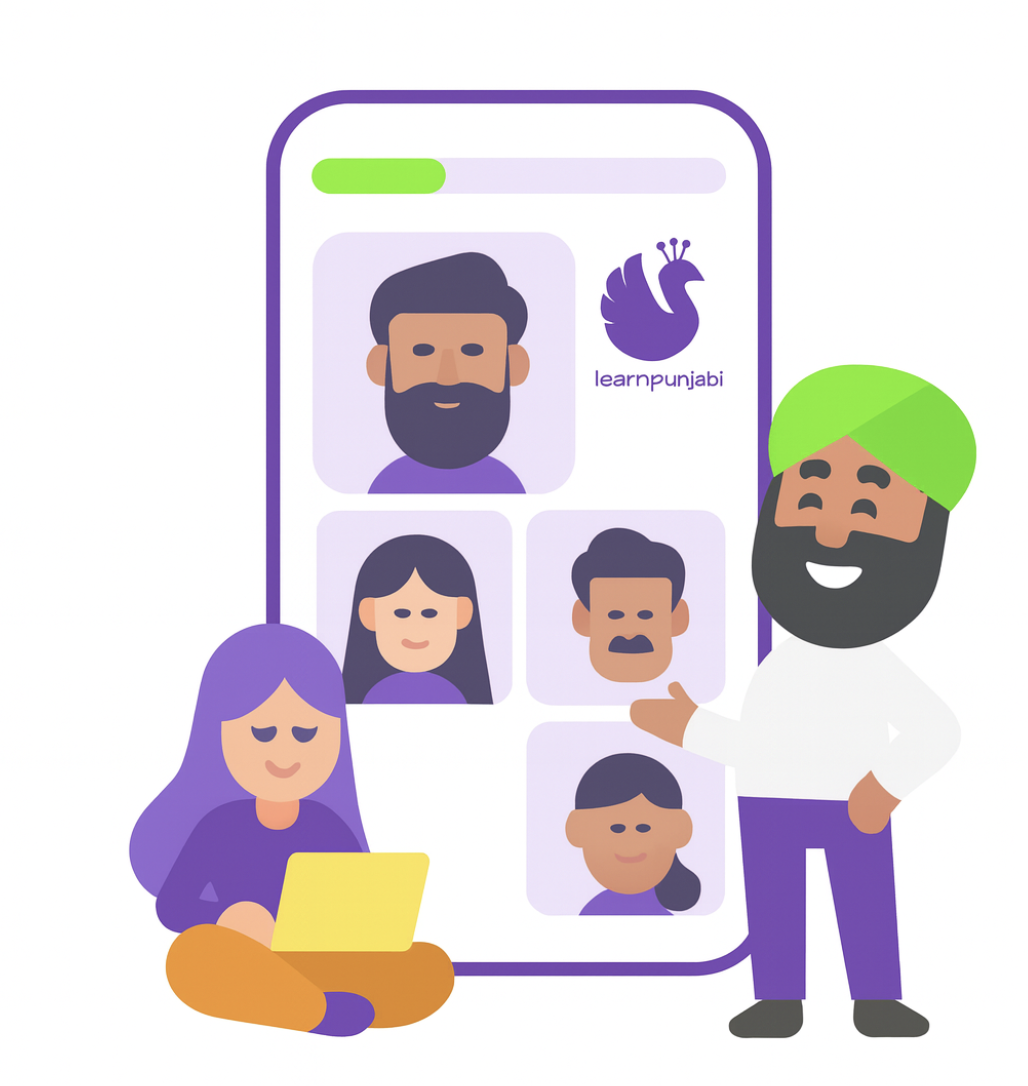
Weekly speaking practice
Short, guided sessions turn what your child is learning into words they'll actually use: greeting a grandparent, asking for something at the table, following along at a family gathering.
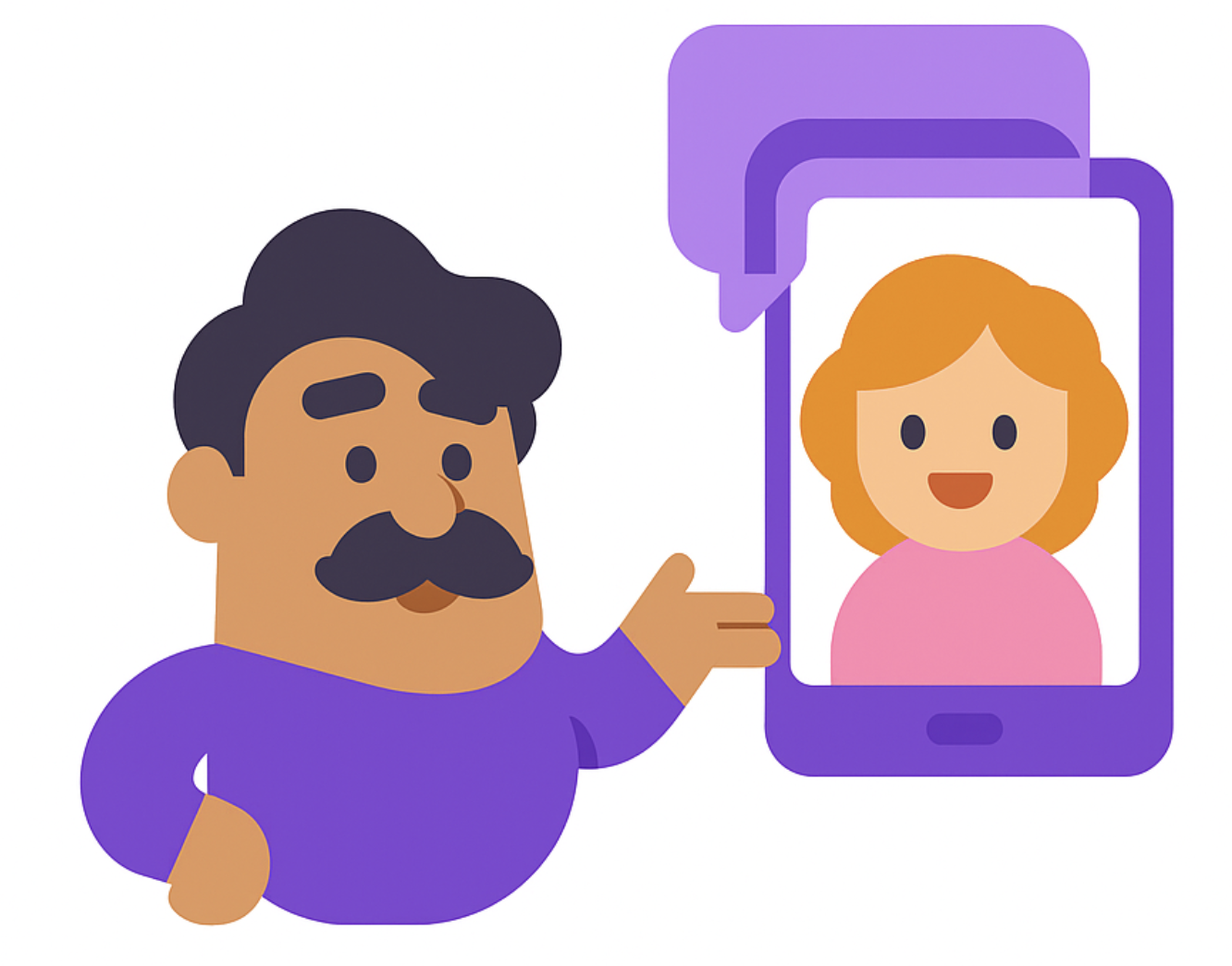
Homework and quizzes kids don't dread
Bite-sized, fun tasks that fit around school life, designed to reinforce what they learned in class so Punjabi becomes part of the week, not one more thing to cram for.
Everything your child needs to go from shy beginner to confident speaker.
A real curriculum, not just songs and colours.
Twelve weeks, building from first words to full conversations, paced for kids, not adults.
Sounds & greetings
Punjabi sounds and the basics of saying hello.
Naming the world
People, things, and places, the building blocks of every sentence.
Simple sentences
"I like this," "I want that": everyday requests and preferences.
Talking about today
What's happening right now, and daily routines.
Plans & the past
What they did, and what they're going to do.
Real conversations
Full dialogues, mixed tenses, and a final "day in my life" project.
If any of this sounds like your family, your child belongs here.
Your child wants to actually understand and speak with Nani, Nana, Dadi, or Dada, not just smile and nod.
You want Punjabi to be part of your child's identity, not something that fades out a generation from now.
You want your child to understand gurbani and paath, not just recite along.
The way some of us did, being laughed at for getting it wrong. This is the opposite of that room.
Building real fluency that supports Punjabi as a language qualification, not last-minute cramming.
Your child doesn't know any Punjabi yet, and that's exactly who this is built for.
Real families, real progress.
"I didn't want my daughter to grow up feeling the same embarrassment I did, not knowing the language of her own culture. Kidda gave me the foundation I needed to finally feel confident enough to pass it on."
"Before I started Kidda I understood small amounts of Punjabi and couldn't have conversations with the elders in my family. Now I understand so much more and feel so much more confident speaking Punjabi."
"I have found this Punjabi course very friendly and welcoming. The sessions and the course material is well laid out. Highly recommend as the go-to course for learning Punjabi!"
"I was looking for a Punjabi tutor but there was nothing structured. This was exactly what I was looking for, to get an understanding of structures in Punjabi and improve my confidence."
"I used to only understand some words in Punjabi or the general gist, but now I'm able to understand exact grammar choices a person has made and join in conversations."
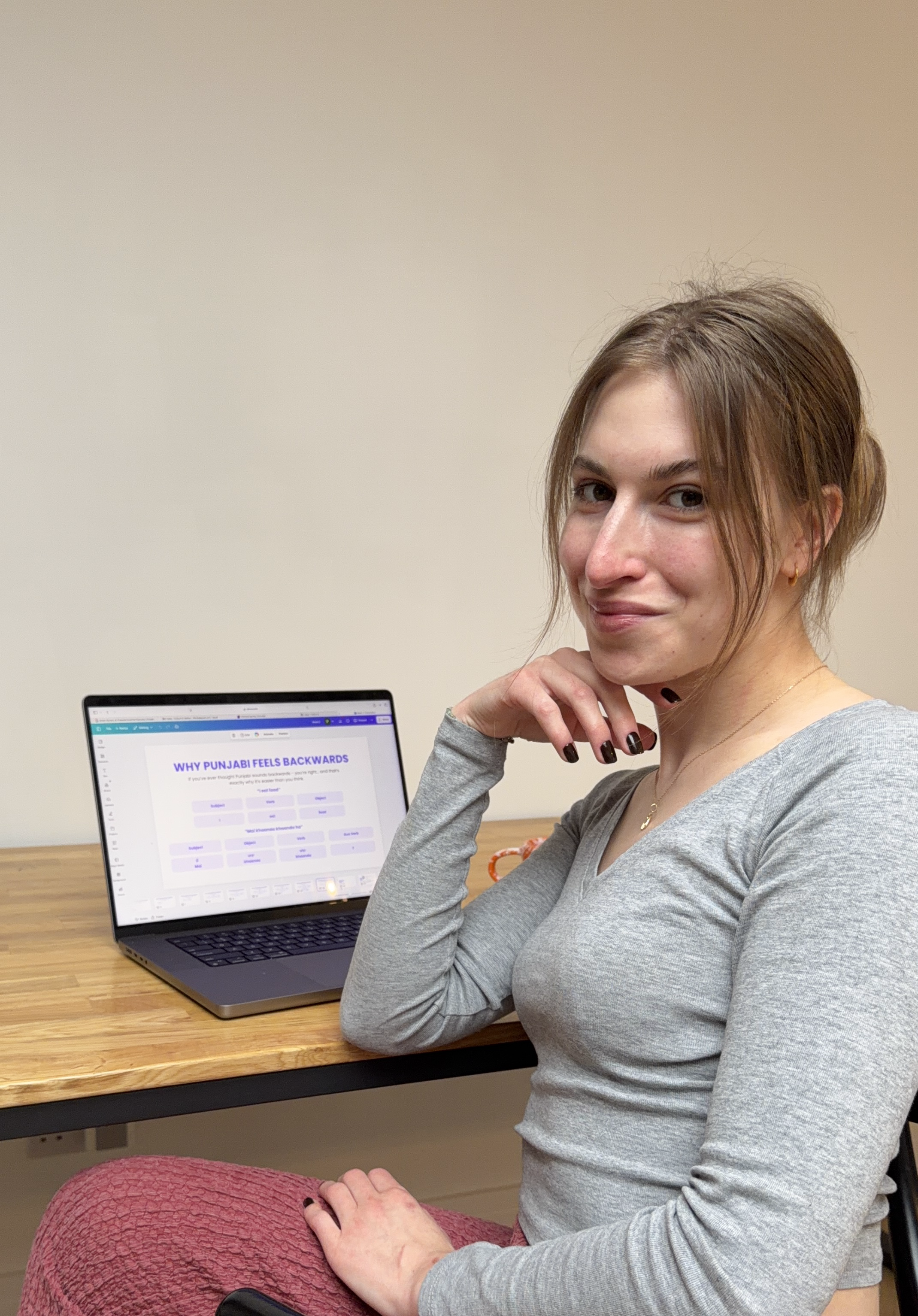
"Eh course bahut changi hai. I really recommend it to anyone struggling with understanding Punjabi."
"I really enjoyed connecting with Punjabi as I'm far away from my family and hadn't heard it for a long time. It's a lovely way to feel closer to home again."
"This course increased my confidence in speaking Punjabi, which has always been important to me growing up. I honestly can't believe how it's changed the way I feel in settings where everyone is primarily speaking Punjabi. I feel like I can now join in."
"Absolutely loved the course, extremely beneficial. I surprised myself in the final few lessons with how far I'd progressed. The course was well put together and digestible each week. Thank you for the wonderful 12-week journey!"
"This course has massively helped me address my self-confidence in speaking Punjabi. The materials and content are very well structured, and the tutor has been amazing in providing explanations and encouragement."
"I have loved learning Punjabi with Kidda! The lessons are fun and engaging, and I genuinely feel like I'm part of a community now."
"Arshdeep's been amazing. She was patient and explained the course and steps well. I wanted to join Punjabi lessons to brush up and feel more confident when speaking, and I'm closer to my goal."
"I've come from not being able to speak the language of my family to being confident enough to make sentences and speak with my grandparents. I did these sessions with my dad too, and now we can speak Punjabi together."
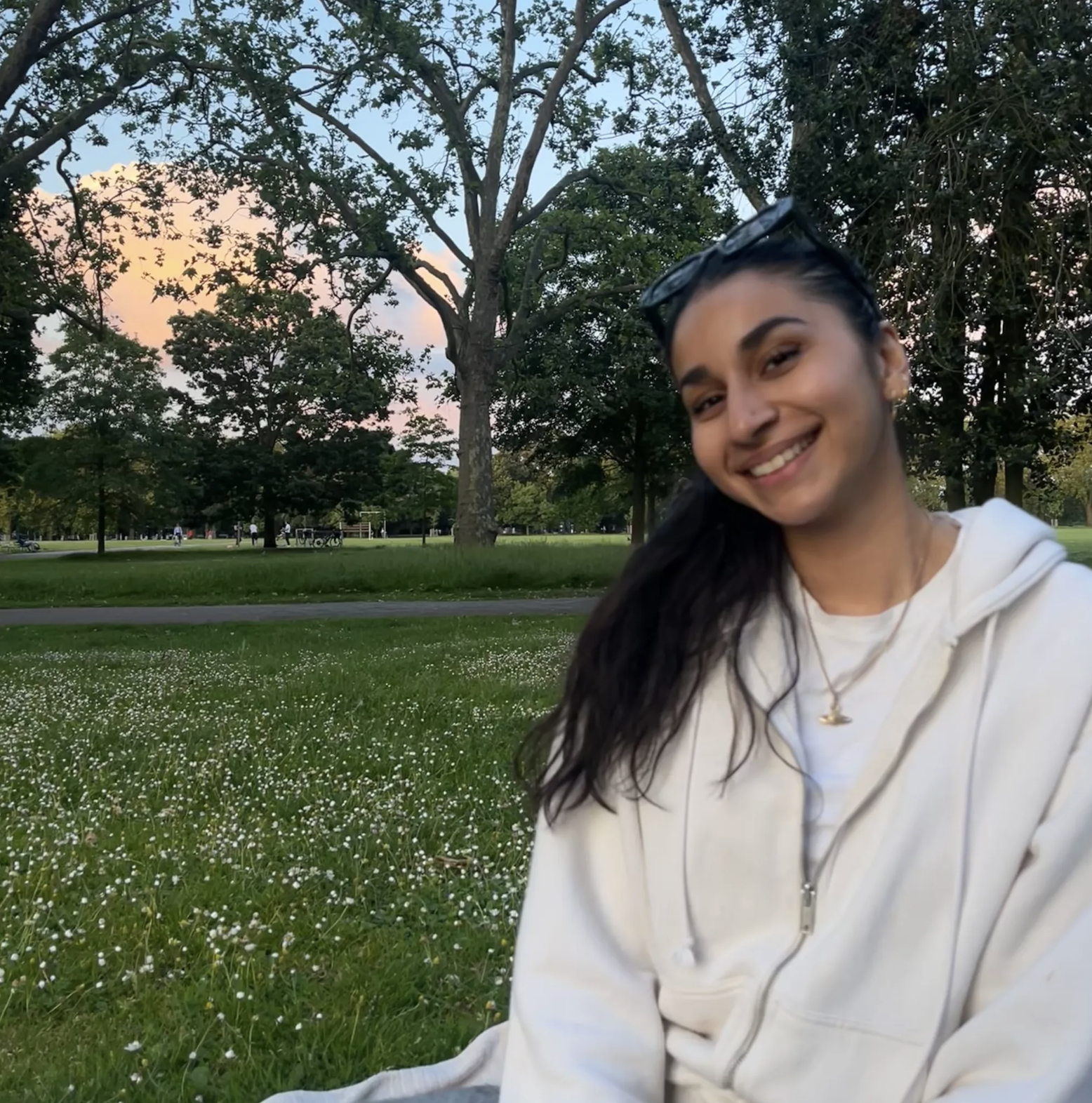
"This Punjabi course with Kidda has been an amazing experience. The sessions were brilliantly laid out and logical. It was a space to not be afraid of making mistakes, and I honestly gained so much."
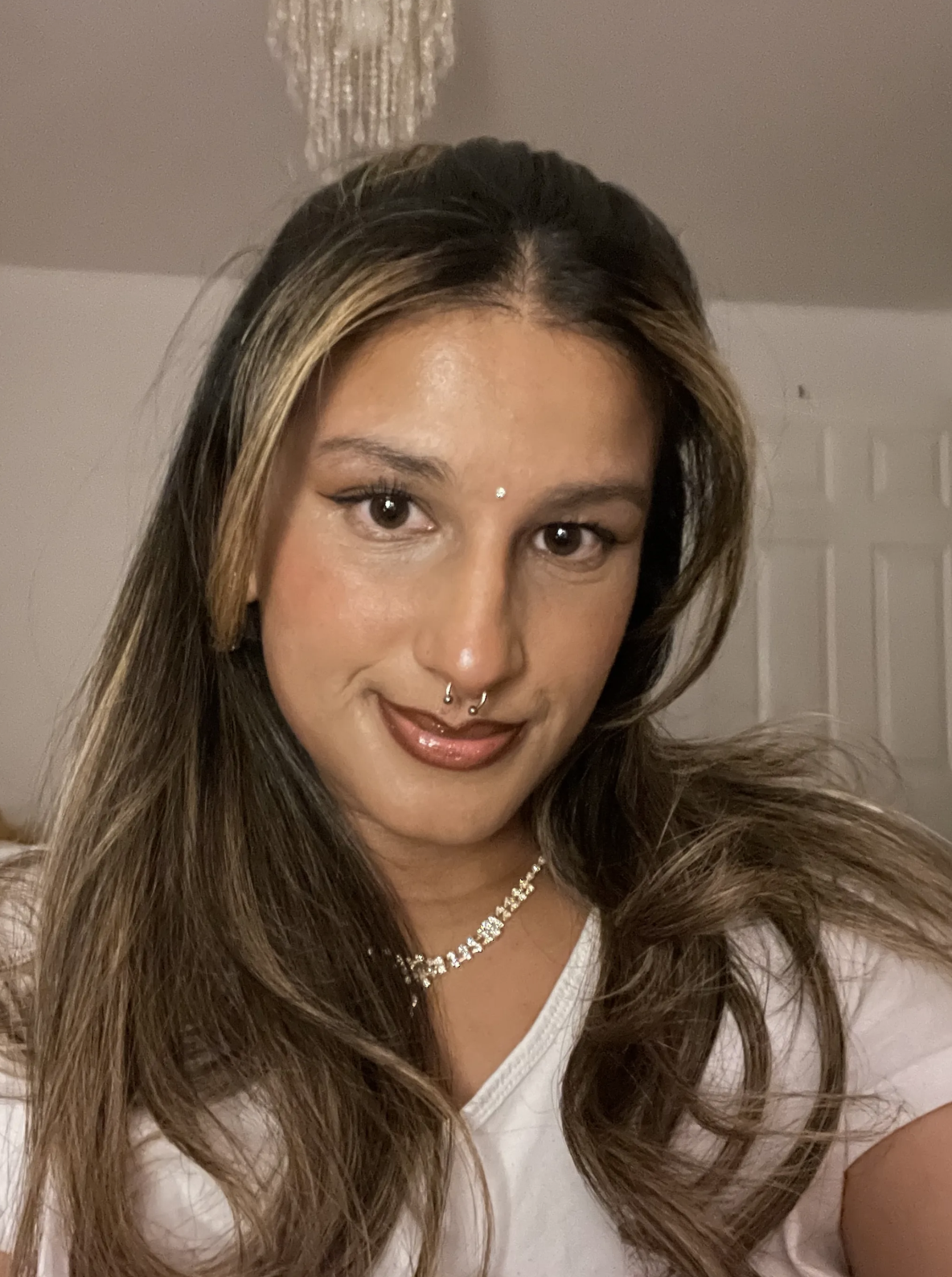
"It has been really nice to learn with such a lovely tutor and a wonderful group of people. I never felt like I was being judged, everyone was very encouraging and helpful, and it was a great learning experience."
"I didn't want my daughter to grow up feeling the same embarrassment I did, not knowing the language of her own culture. Kidda gave me the foundation I needed to finally feel confident enough to pass it on."
"Before I started Kidda I understood small amounts of Punjabi and couldn't have conversations with the elders in my family. Now I understand so much more and feel so much more confident speaking Punjabi."
Before you register
Does my child need to know any Punjabi before joining?
This class is for beginners, no prior Punjabi needed. Your child can start from zero. If they already speak Punjabi fluently at home, this course will likely move too slowly for them.
How are the lessons taught?
Live, over video call, in small groups with a real instructor, not pre-recorded videos.
How often are the lessons, and how long are they?
One lesson a week, 45 minutes long, for 12 weeks.
What if my child misses a class?
They'll get access to the resources and recording from that lesson so they're not left behind. If it would help more, we may also be able to fit them into another class in the same age group, for up to two sessions.
Who are the teachers?
Native and fluent Punjabi speakers, trained specifically to teach kids in a warm, judgement-free way.
How big are the group classes?
Small, on purpose, around 4 to 5 kids per group, so every child gets real speaking time each session, not just screen time.
Will my child actually be able to hold a conversation by the end?
Yes, as long as they keep up with the homework and stay engaged in lessons, they'll be able to hold a basic conversation in Punjabi by the end of the 12 weeks. They'll be able to ask and answer questions on the topics we've covered in the curriculum, not just recite memorised phrases.